
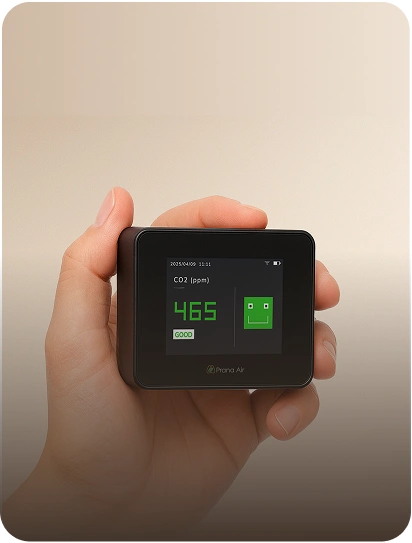
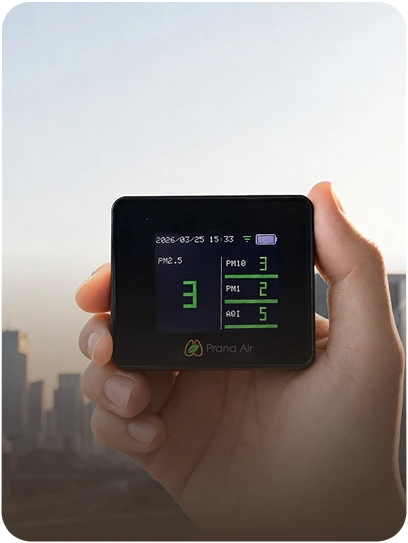
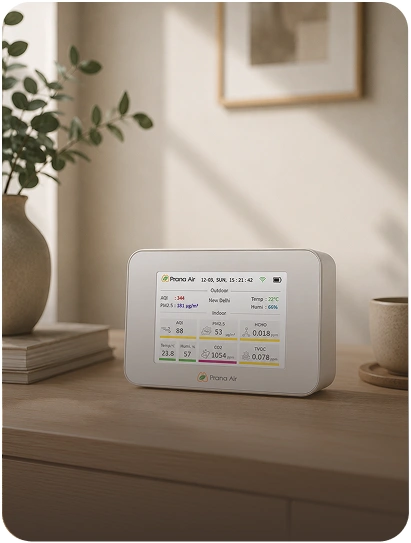
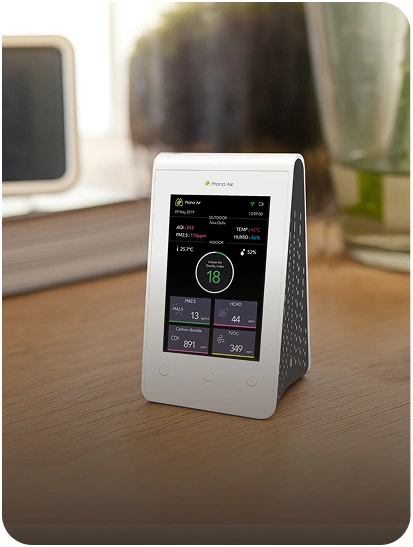





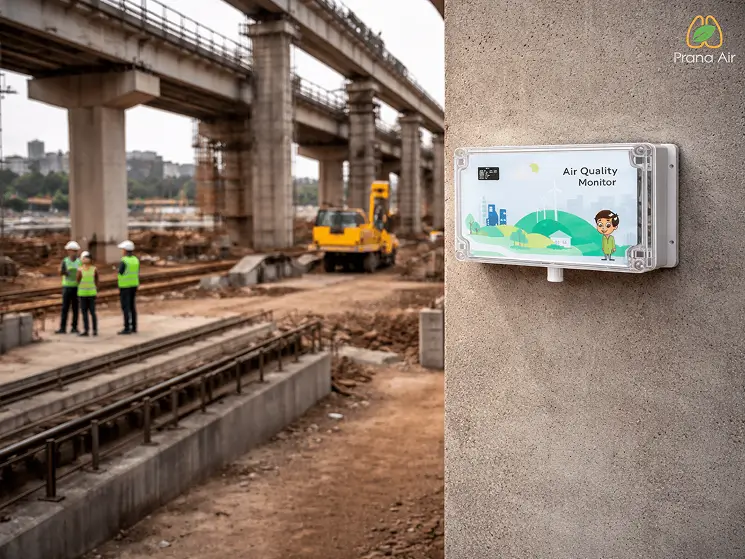

CO2 SENSOR
Precision NDIR Sensing Tech
1 PPM Resolution
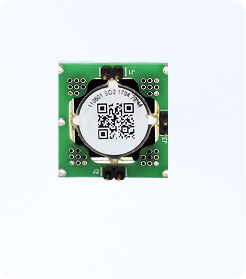
Advanced Carbon Dioxide (CO2) Tracking with NDIR Sensor
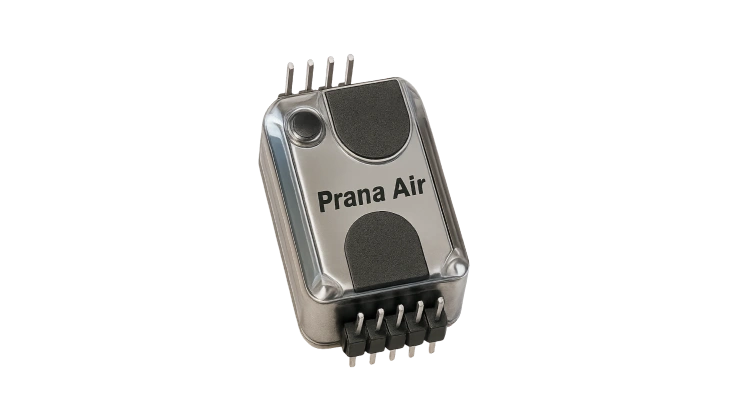
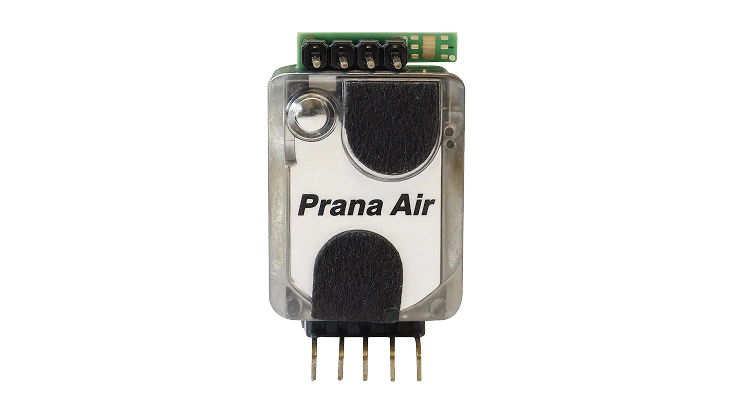
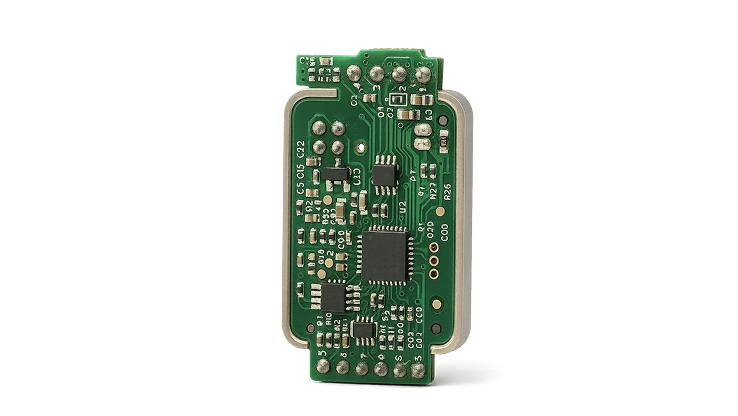
Enhance your air quality management with our high-end CO2 sensor, utilizing Non-Dispersive Infrared (NDIR) technology. Designed for unmatched accuracy, this sensor enables you to maintain safe levels in your home, corporate office or industrial facility
Leading Features of Our Sensor

Exceptional Accuracy
Obtain highly reliable CO2 concentration data with our market-leading 1 PPM resolution.

Enhanced Reliability
The sophisticated NDIR optical system ensures consistent performance with minimal sensor drift over several years.

Minimalist Form Factor
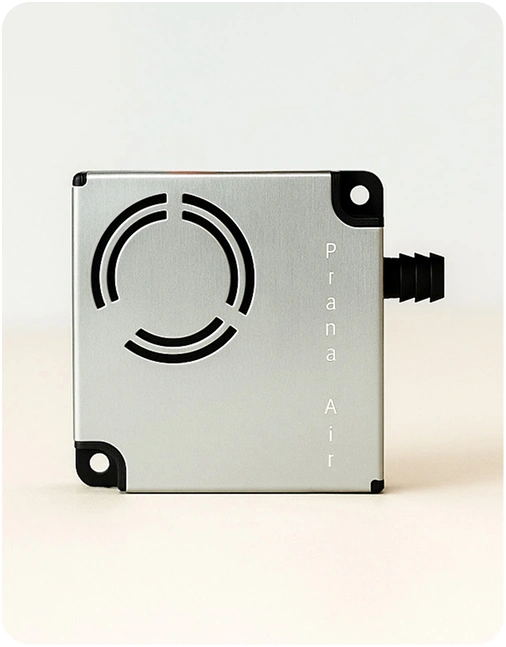
The ultra-compact build allows for easy integration into ventilation systems or portable air monitors.

Wide Adaptability
Perfect for various use cases, from agricultural greenhouses to HVAC controls and environmental monitors.

Auto & Manual Calibration
Ensure data integrity with flexible calibration settings that adjust to different environmental conditions.

PWM & UART Support
Seamlessly export data with support for two advanced formats, compatible with most digital platforms.

Low Power Consumption
Optimized for continuous tracking, it provides rapid responses while using very little energy.

Dedicated Support
Access professional engineering guidance and customer care for all your sensor integration projects.
The Science of NDIR Detection
How does our sensor achieve laboratory-grade CO2 measurements?
Prana Air monitoring systems are built on NDIR technology—an optical method that detects gas molecules by measuring infrared light absorption, ensuring high specificity for CO2.

Why is CO2 Monitoring Crucial?
CO2 is a natural byproduct of human breathing. In closed, crowded or poorly ventilated rooms, levels can rise quickly. While outdoor air is around 400 PPM, indoor environments can become hazardous without proper monitoring and fresh air exchange.
Health Implications

Dizziness

Restlessness

Brain Impact

Breathing Issues

Hypertension

Nausea
Data Visualisation Analysis
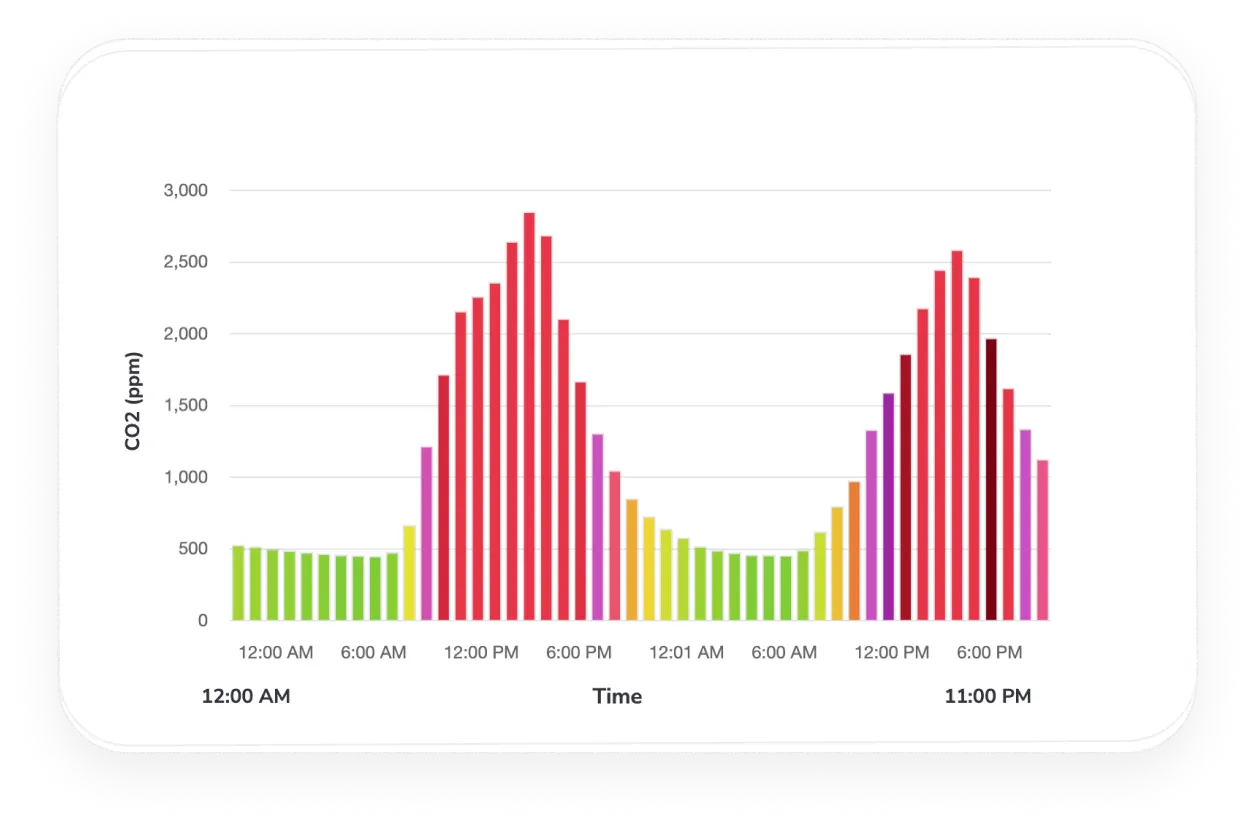
Daily Carbon Dioxide Variations
Observe how CO2 concentrations (PPM) shift throughout the day to optimize your ventilation. Identifying pollution peaks helps in maintaining a healthier indoor environment.
Weekly CO2 Data Insights
Our sensor provides comprehensive weekly data, showing how occupancy levels affect air quality in schools and workplaces. Monitor these levels to ensure safety for everyone.
The Value of Real-Time Tracking
Excess indoor CO2 often results in:

Lowered Alertness:
High gas concentrations significantly impact mental clarity and work productivity.

Health Issues
Long-term exposure can negatively affect respiratory health and overall cognitive function.

Occupant Discomfort
Poor air quality causes heaviness, discomfort and general fatigue for building occupants.
CO2 AQI Levels: Air Quality Guidelines
Optimal levels for maintaining health, comfort and peak productivity.
Slightly elevated levels; ventilation is recommended for sensitive individuals.
High CO2 can cause drowsiness, mild headaches or a lack of focus.
Continuous exposure in this range can lead to noticeable physical discomfort.
Dangerous levels that require immediate ventilation to prevent severe discomfort.
Critical concentrations; vacate the area or initiate maximum ventilation immediately.
Sophisticated Sensor Calibration
Our sensors use the industry-standard zero-point calibration method. This process sets a baseline of 400 PPM over a 96-hour (4-day) cycle to ensure long-term precision and data reliability.
Versatile Uses of the CO2 Sensor
Key Sources of Carbon Dioxide
Man-Made Sources

Burning fossil fuels in cars, trucks and aeroplanes.

Open-air burning of agricultural and domestic waste.

Factories and power plants using combustion processes.

Indoor air pollution caused by tobacco smoking.
Natural Events

Carbonate rocks releasing gas when in contact with water.

Massive release of greenhouse gases during eruptions.

Gases released from melting ice and glaciers.

Natural gas and petroleum trapped within the Earth's crust.
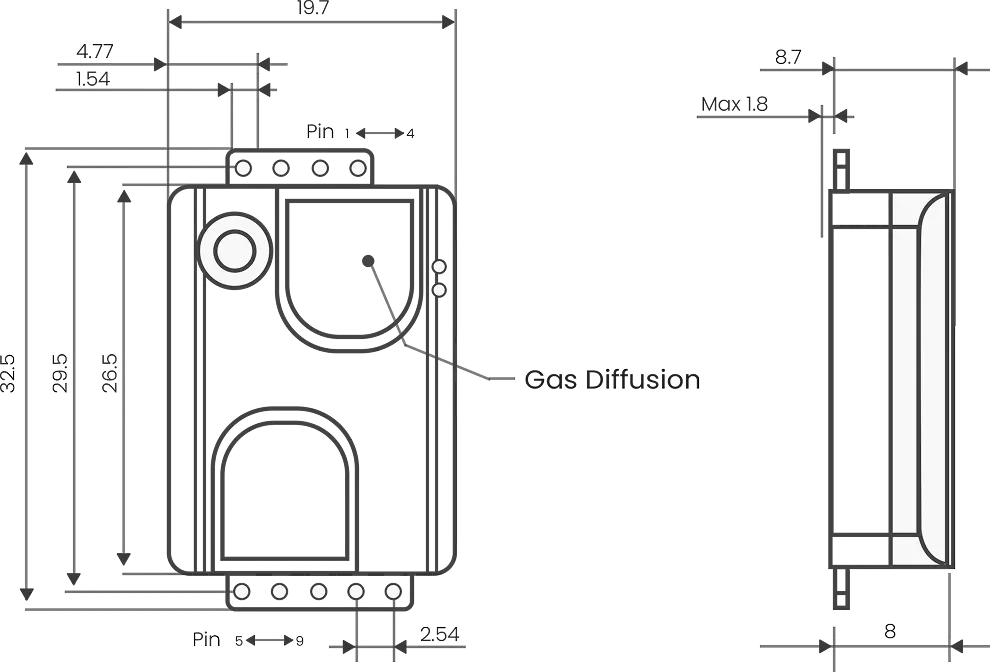
Technical Datasheet

Device Model:
NDIR CO2 Sensor
Measuring Range:
0 to 10,000 ppm
Sensor Type:
Optical NDIR
Data Resolution:
1 ppm
Reading Accuracy:
± 50 ppm ± 5% of reading
Storage Range:
-40℃ to 70℃
Operating Temp:
0℃ to 50℃
Operating Humidity:
0~95% RH (non-condensing)
Power Usage:
Average ≤20mA
Response Time:
15s (90%)
Get in Touch
Do you have a specific project requirement? Connect with our experts today.

 Let’s Talk