





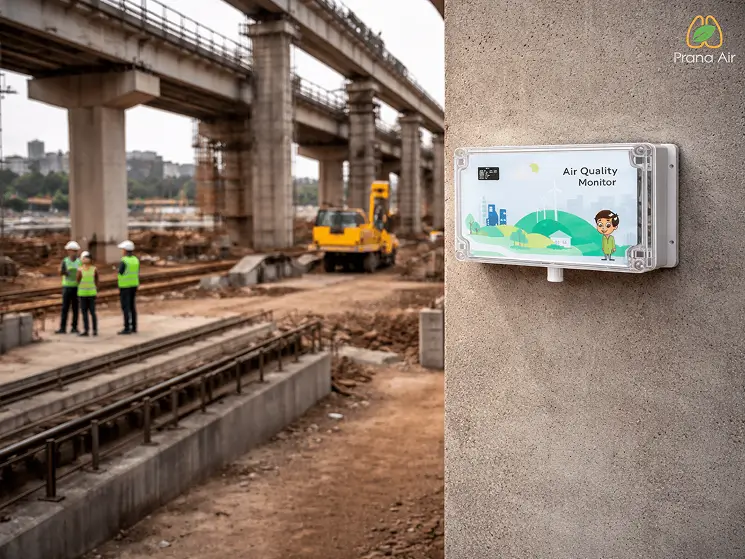

CO2 SENSOR
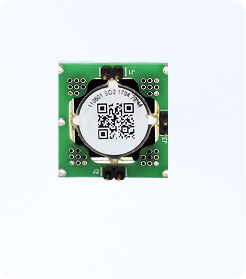
NDIR Precision Technology
1 PPM Resolution
Advanced Carbon Dioxide (CO2) Sensing with Infrared Accuracy
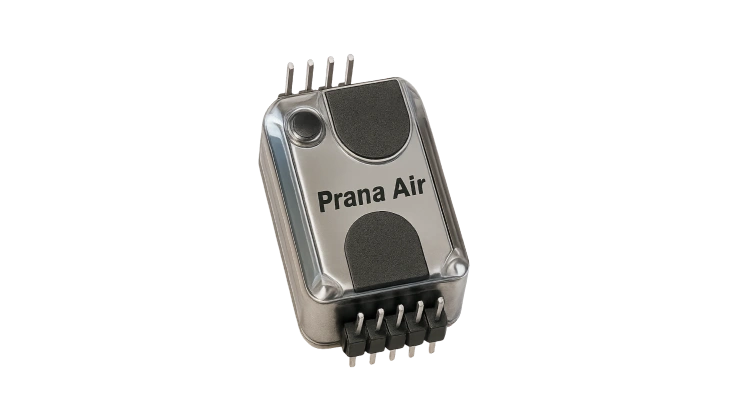
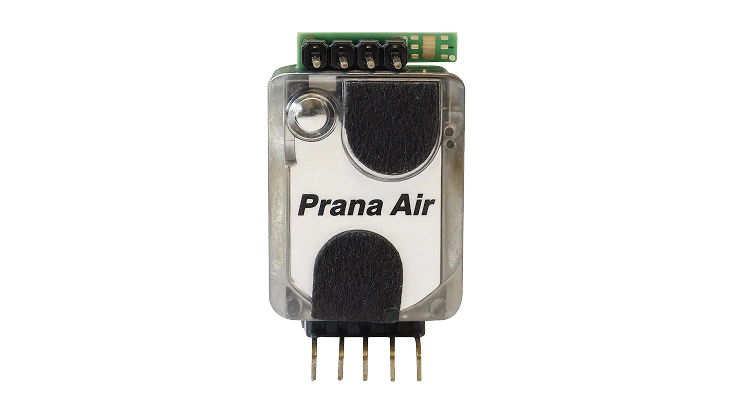
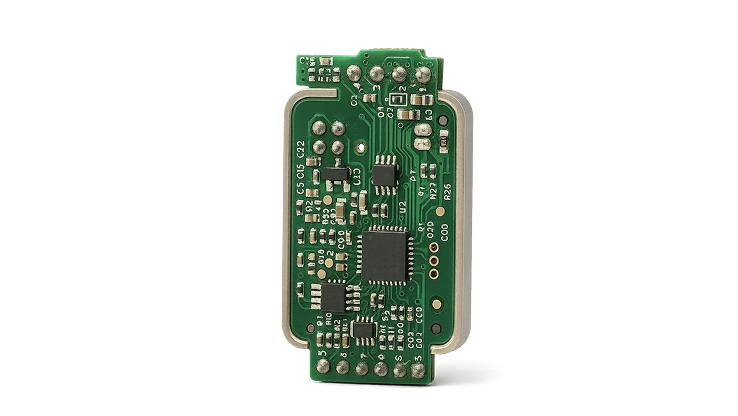
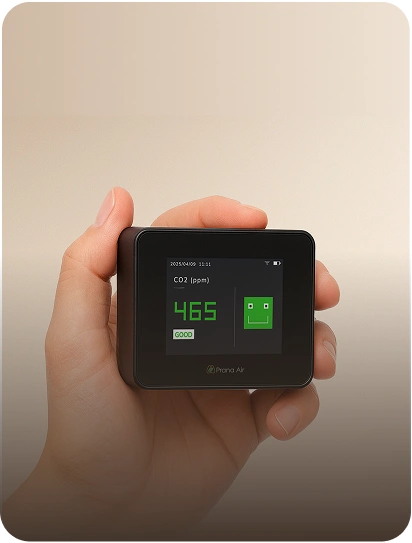
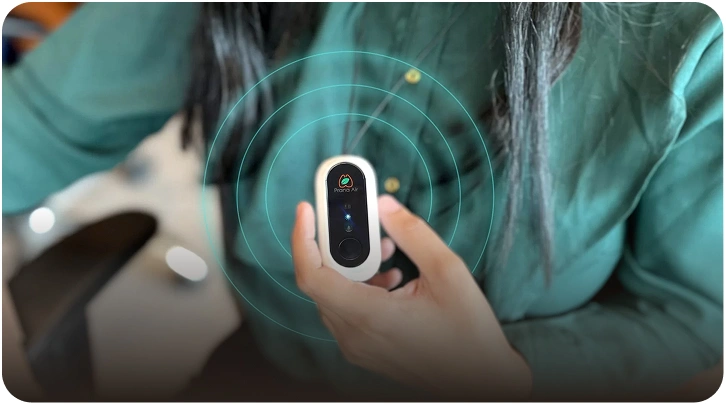
Optimise your indoor air quality with our state-of-the-art CO2 sensor, utilizing Non-Dispersive Infrared (NDIR) technology. This precision device delivers highly accurate data for real-time monitoring of carbon dioxide in your home, corporate office, or industrial facility
Core Features of our CO2 Sensor

Superior Accuracy
Achieve market-leading precision for CO2 measurements with a fine 1 PPM data resolution.

Extended Reliability
The advanced NDIR optical system ensures long-term performance with minimal measurement drift over years of use.

Compact Footprint
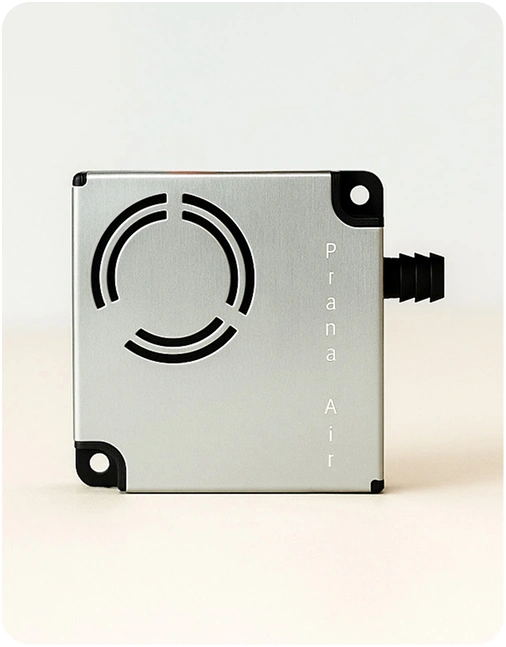
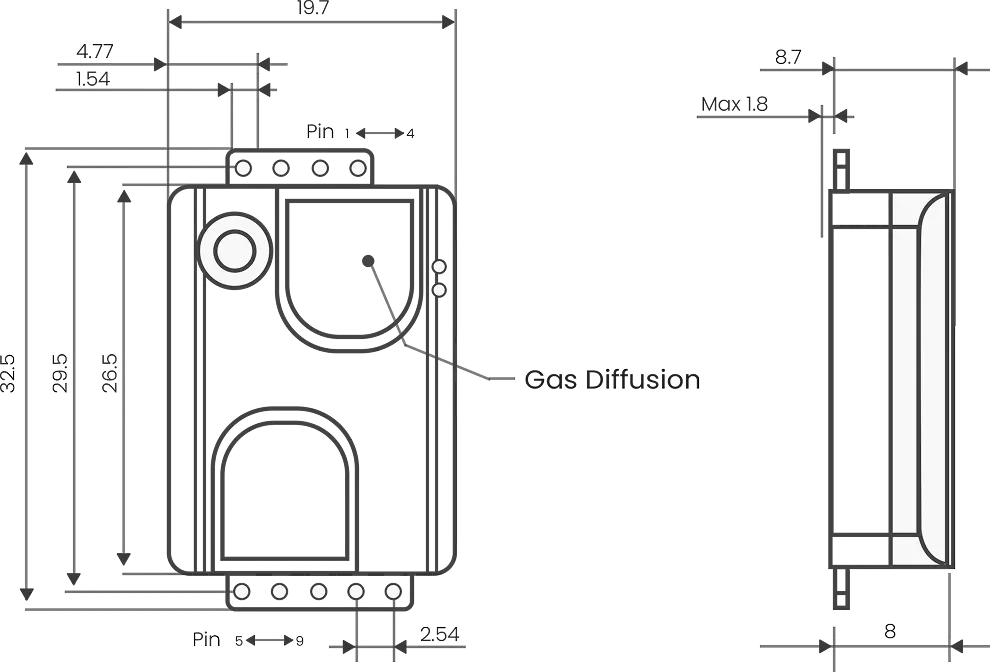
Its ultra-compact design allows for effortless integration into any air monitoring system or IoT device.

Broad Adaptability
Highly versatile for numerous applications, including greenhouses, HVAC controls, and ambient monitors.

Auto & Manual Calibration
Maintain high data integrity with flexible calibration modes that adapt to varying environmental conditions.

PWM & UART Support
Offers two advanced data transmission formats for seamless compatibility with diverse digital platforms.

Low Power Consumption
Designed for continuous air monitoring, our sensor operates efficiently while providing rapid response times.

Expert Assistance
Benefit from expert technical guidance and dedicated customer support for all your sensor integration projects.
The Science of NDIR CO2 Sensing
How does our sensor provide precise gas concentration readings?
Prana Air carbon dioxide monitoring systems are powered by Non-Dispersive Infrared (NDIR)technology—an optical sensing method that detects gas concentrations by measuring infrared light absorption at specific wavelengths.

The Vital Importance of Monitoring CO2
Carbon dioxide is naturally exhaled by humans during respiration. In crowded or poorly ventilated indoor spaces, concentration levels can quickly escalate, exceeding safe thresholds. While outdoor air remains around 400 PPM, indoor environments can become hazardous without proper monitoring and fresh air exchange.
Impact on Human Health

Dizziness

Restlessness

Impaired Concentration

Breathing Difficulties

Hypertension

Nausea
Analysis of Environmental Data
Daily CO2 Level Fluctuations
Monitor how carbon dioxide concentrations (PPM) shift throughout the day to optimize your indoor ventilation and maintain fresh air for building occupants.
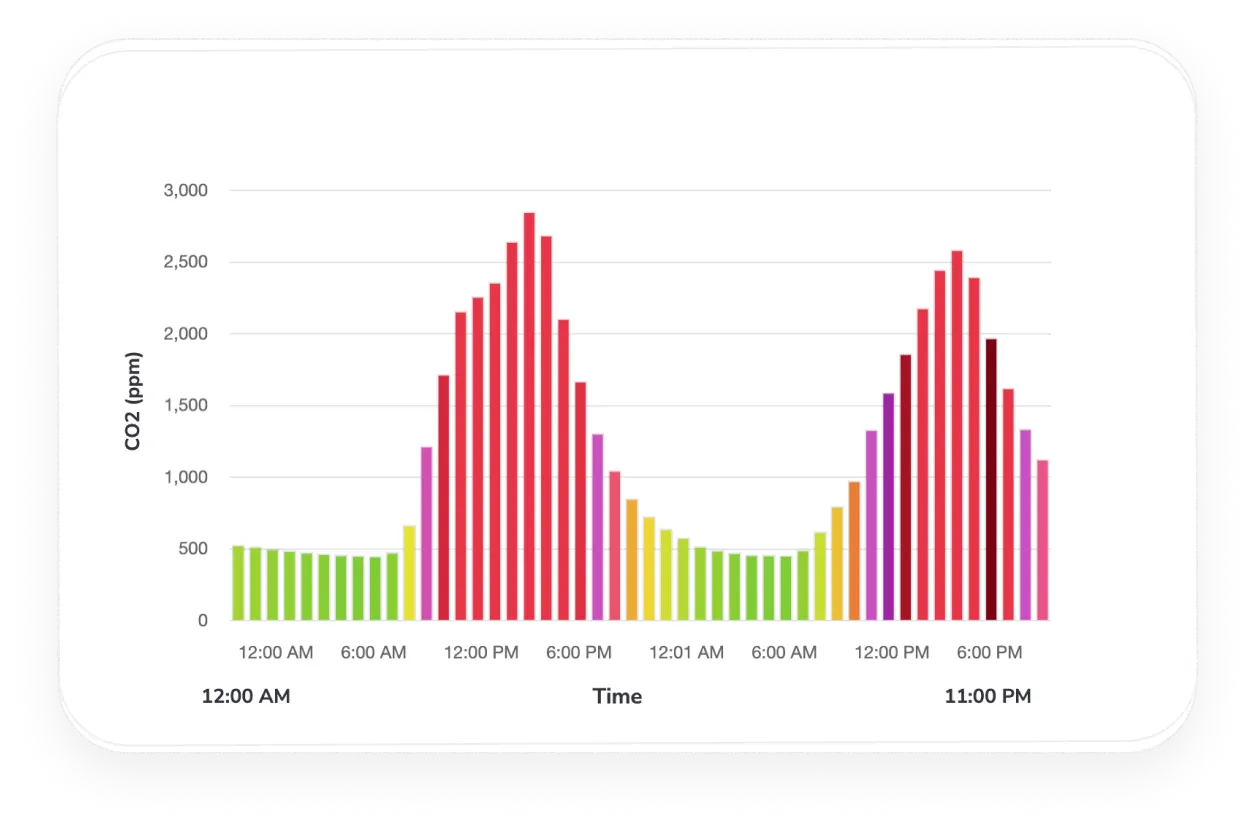
Weekly CO2 Monitoring Analysis
Track detailed weekly CO2 data to understand how room occupancy affects air quality in offices, schools, and commercial facilities. High-resolution tracking ensures a safer indoor environment.
The Need for Active Tracking
Excessive indoor carbon dioxide typically results in:

Loss of Mental Focus:
Elevated gas concentrations significantly impair alertness and mental efficiency in the workplace.

Long-term Health Risks
Repeated exposure can impact respiratory performance and overall physical well-being over time.

Occupant Discomfort
Poorly ventilated rooms feel stuffy, causing general fatigue and reduced comfort for everyone in the building.
Understanding CO2 Concentration Levels
Optimal air quality levels for health, maximum comfort, and mental focus.
Acceptable concentrations; sensitive occupants may notice minor air stuffiness.
Increased CO2 levels can cause drowsy feelings and reduced concentration for occupants.
High gas concentrations that may result in persistent fatigue and minor headaches.
Hazardous indoor pollution requiring immediate action to improve air circulation.
Extremely high concentrations; exit the area or initiate maximum ventilation immediately.
Precision Sensor Calibration
Prana Air sensors are precision-calibrated using the industry-standard zero-point baseline method. Our devices establish a 400 PPM reference—equivalent to fresh outdoor air—over a 96-hour (4-day) cycle to ensure long-term measurement reliability.
Versatile Applications of our CO2 Sensor
Primary Sources of CO2 Gas
Anthropogenic Sources

Combustion of fossil fuels from cars, trucks, and aircraft.
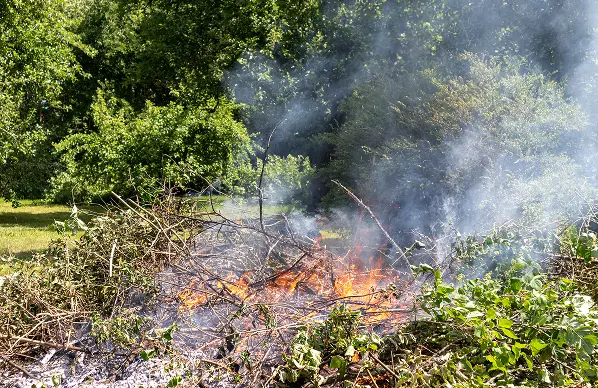
Open burning of domestic or agricultural waste materials.

Heavy industrial manufacturing and power plants utilising burning operations.

Indoor air pollution caused by tobacco smoking.
Natural Phenomena

CO2 released from the chemical reaction of carbonate rocks with water.

Significant release of greenhouse gases during volcanic eruptions.

Gas released as glaciers and icebergs melt into the surrounding water.

Natural gas and petroleum deposits trapped within the Earth's crust.
Technical Datasheet

Model Name:
NDIR CO2 Sensor
Measuring Range:
0 to 10,000 ppm
Sensor Technology:
NDIR
Data Resolution:
1 ppm
Accuracy Rating:
± 50 ppm ± 5% of reading
Storage Temperature:
-40℃ to 70℃
Operating Temperature:
0℃ to 50℃
Operating Humidity:
0~95% RH (non-condensing)
Power Current:
Average ≤20mA
Response Rate:
15s (90%)
Speak to Our Team
Please share your requirements with us, and our environmental monitoring experts will contact you very soon.



 Let’s Talk