
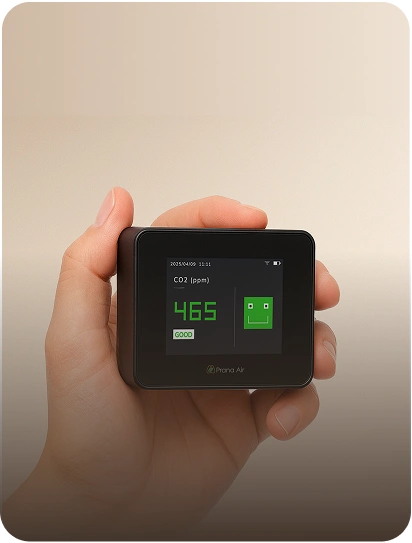
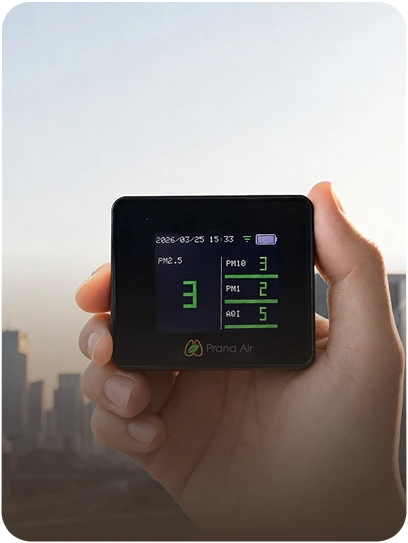
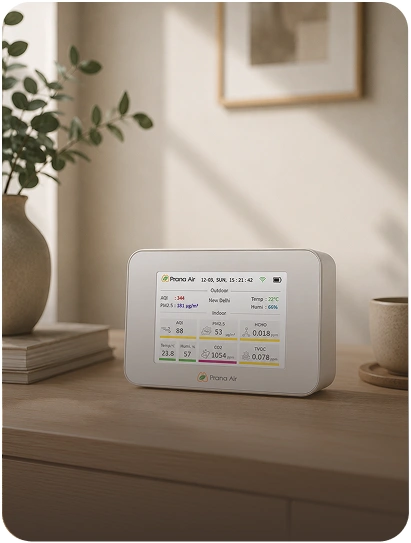
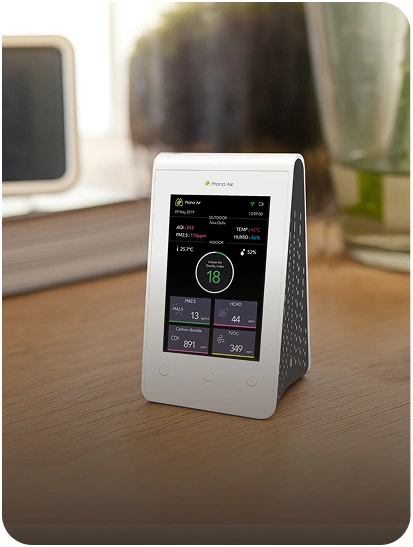





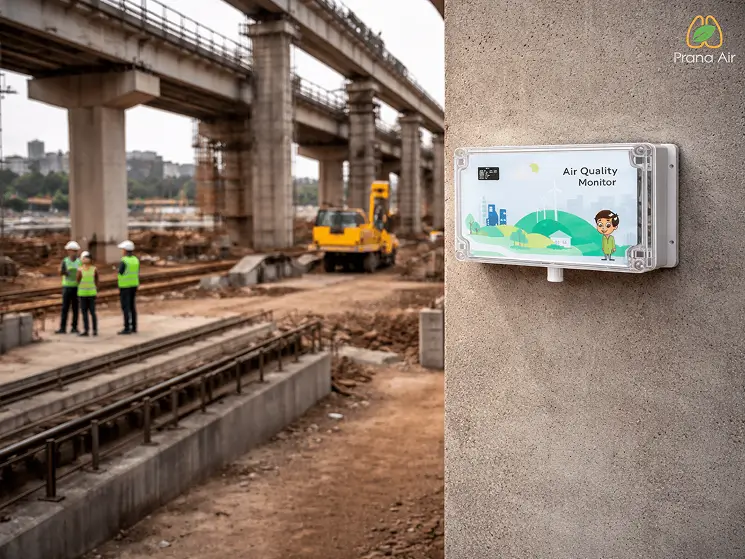

LASER PM SENSOR (PAS-OUT-01)
Urban air quality monitoring solution for industrial and outdoor applications. Precision measurement range up to (0-31,000 µg/m³)
Request a Quote
Particulate Matter (PM) Sensor Key Features

Intelligent fan control for stable airflow

Built-in automated fault diagnosis

Anti-clogging dust-proof duct design

Compact size for effortless installation

Superior resistance to signal interference

Moisture-resistant circuit board for tropical conditions

Multiple communication protocols supported

Fast response real-time detection
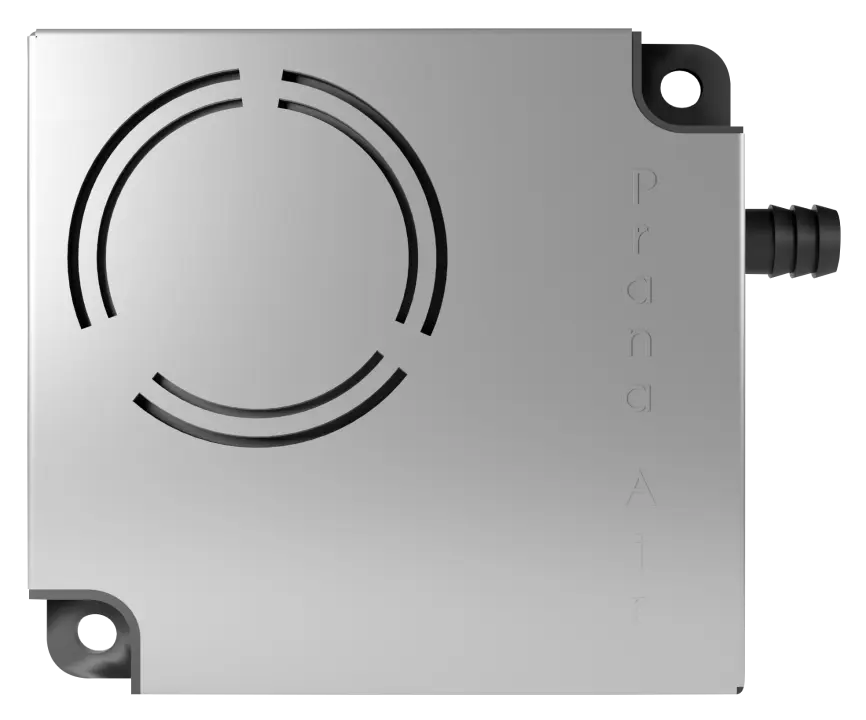

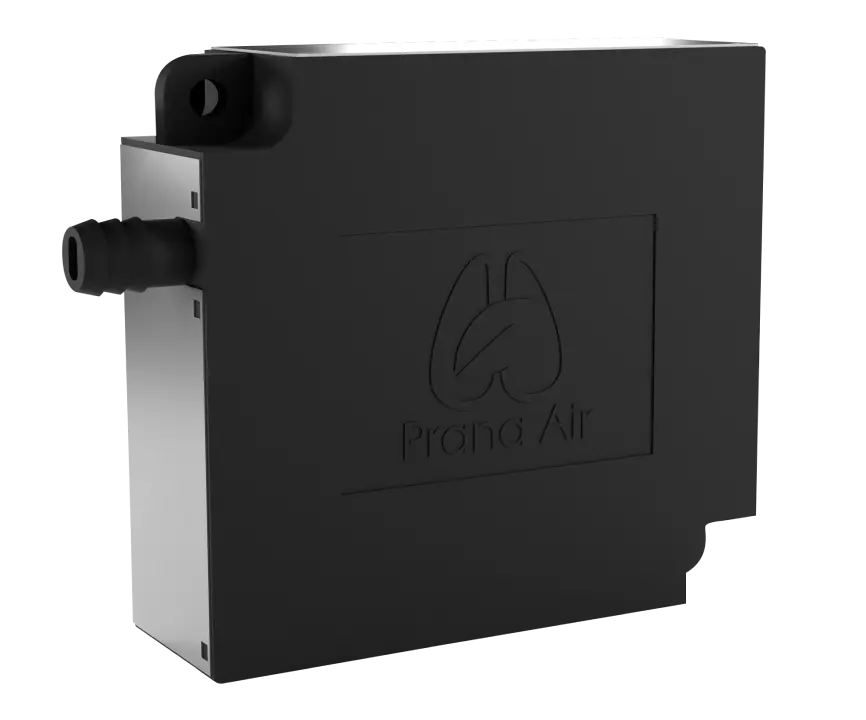
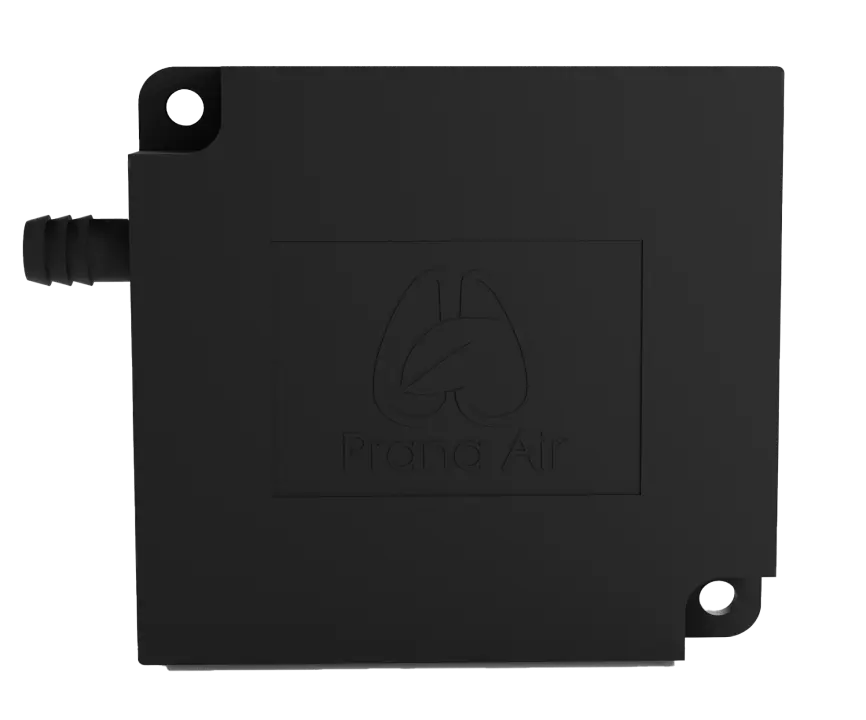
Sensor TechnologyAdvanced Laser Monitoring
Precision Light Scattering Method
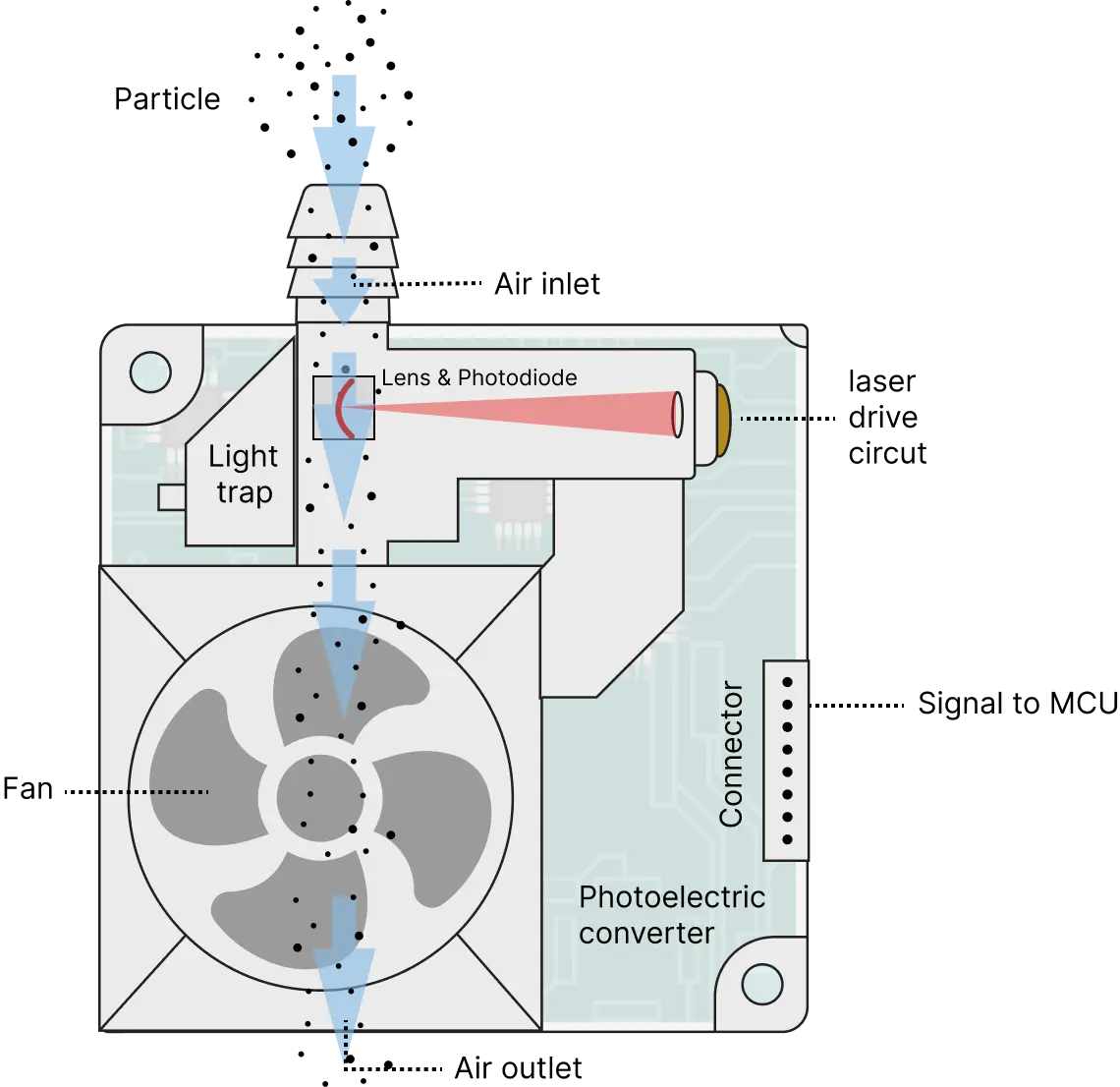
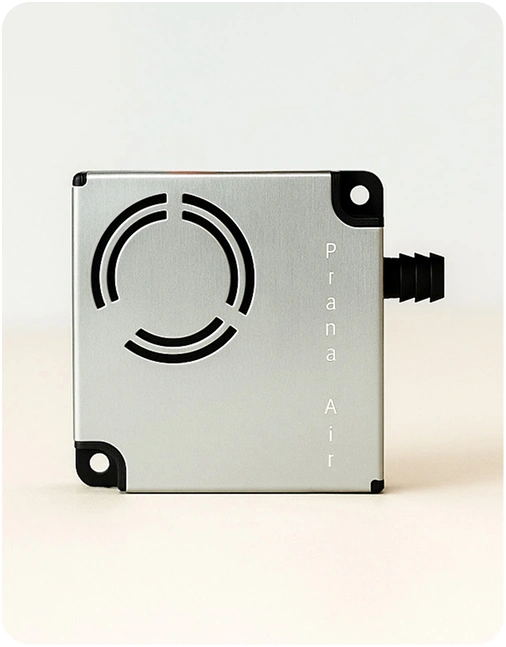
The PAS-OUT-01 is a high-performance digital laser sensor designed for urban and industrial monitoring. Utilising an integrated laser and light-based receiving module, it accurately distinguishes between PM10 and PM2.5 particles. The sensor operates on the 90° light scattering principle to provide consistent data in various environmental conditions.
Measurement Range(0-31,000 µg/m³)
Smart Connectivity
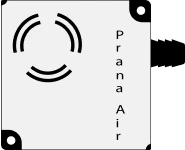
PM Sensor

Integrated Monitoring Hub

Wireless connection to monitoring station

Sensors transmit data directly to the cloud.

Access real-time data on mobile, laptop, or display screens.
The sensor's compact design ensures it fits easily into any air quality monitoring system. It allows for simple installation and replacement without the need for advanced technical skills. Network access is seamless, enabling direct data uploads to the cloud for immediate tracking and analysis.
Optimised Indoor & Outdoor Monitoring
We offer specialised sensing solutions tailored for specific environments to ensure the highest performance and data accuracy.
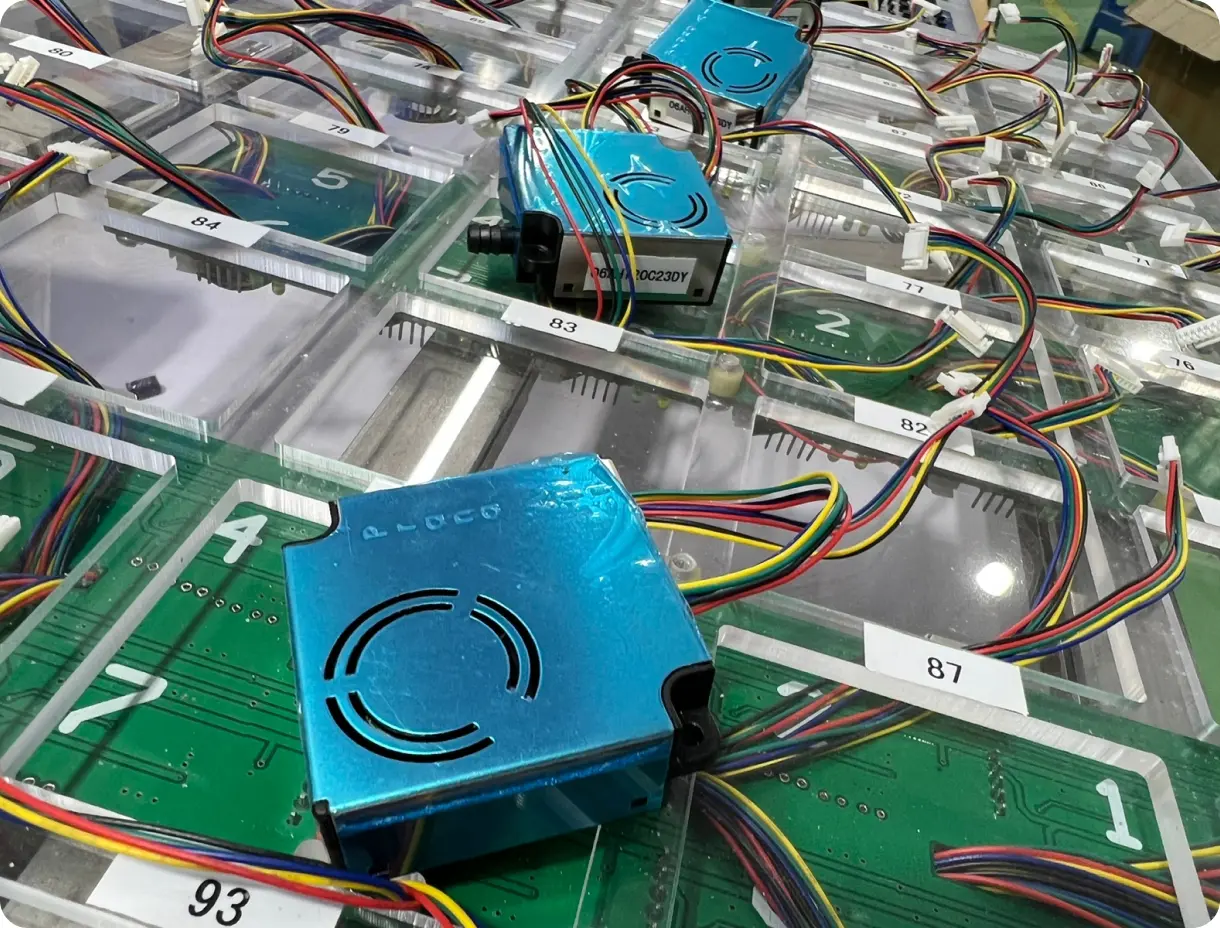
High-Efficiency Outdoor Sensor
Built for durability in outdoor urban settings, this sensor employs advanced technology to monitor particulate matter with high consistency and reliability.
Request a Quote
Precision Indoor Sensor
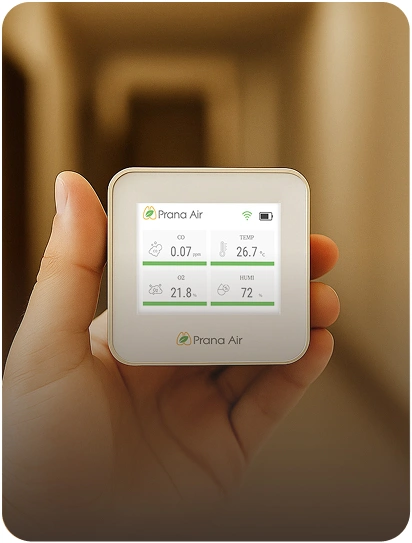
Designed for schools, offices, and homes, our indoor variant is highly sensitive to subtle air quality changes, ensuring a healthy indoor environment.
Request a Quote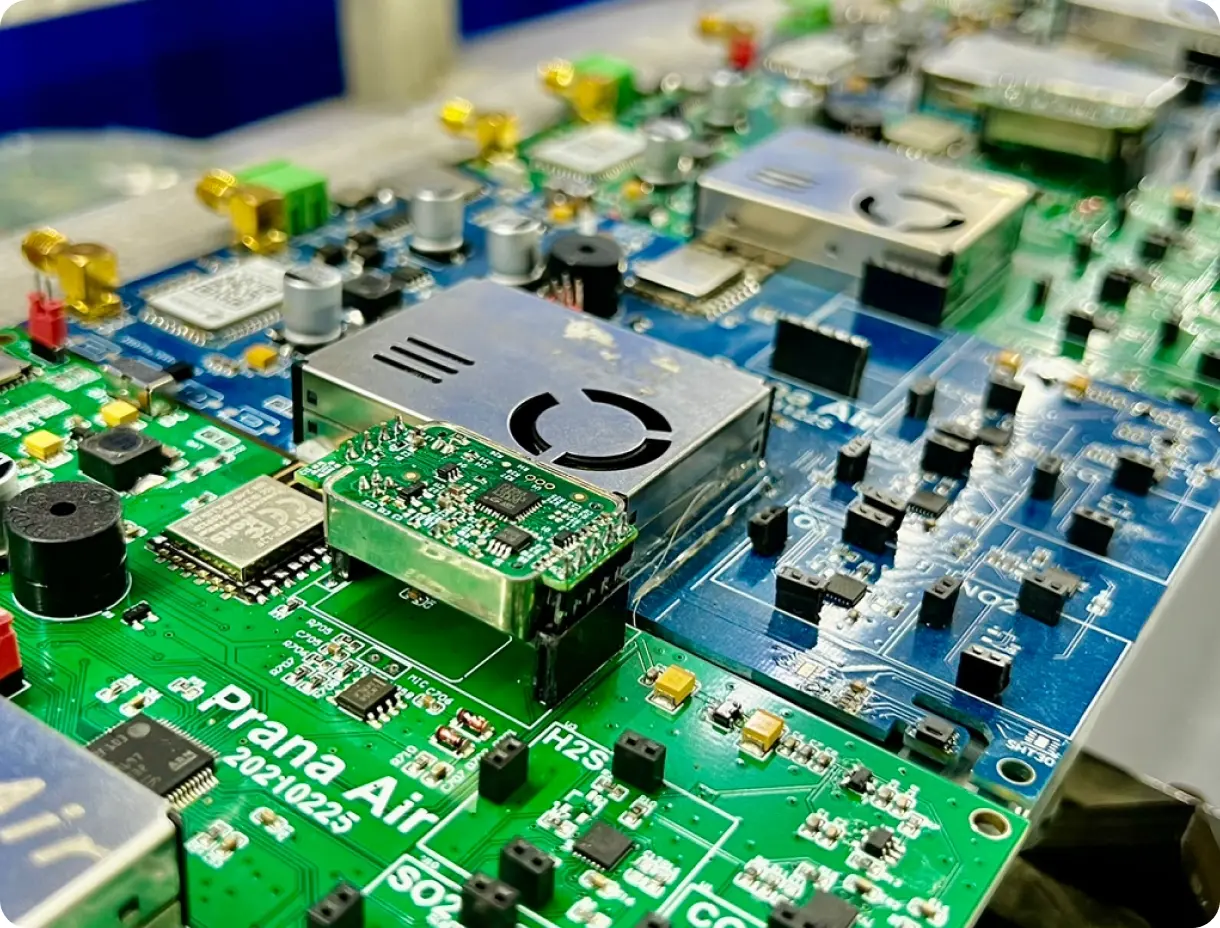
Pollutant Size Comparison
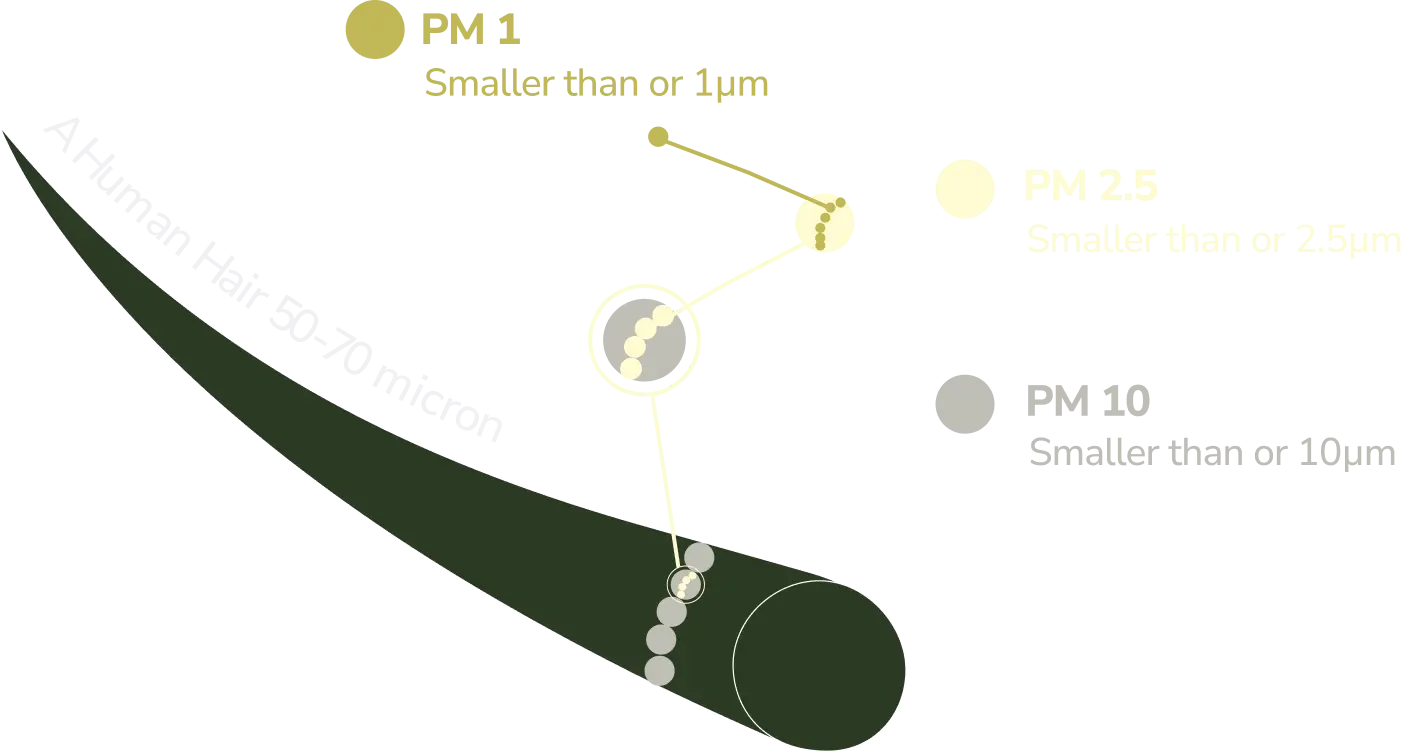
Particulate Matter (PM) is a combination of solid particles and liquid droplets suspended in the air. Due to their minute size, these pollutants can be inhaled and impact long-term health.
PM1
Smaller than or 1µm

PM2.5
Smaller than or 2.5µm

PM10
Smaller than or 10µm
Understanding Particulate Matter (PM)
Particulate Matter (PM) is classified by particle diameter, with PM2.5 (fine particles) and PM10 (coarse particles) being the primary indicators for air quality assessment.
- PM1
- PM10
- PM2.5
- PM2.5
- PM1
- PM10
Learn about different PM sizes
PM1
Ultrafine particles with a diameter of 1 micrometre or smaller. They can penetrate the bloodstream directly, posing systemic health risks.
PM2.5
Fine particles smaller than 2.5 micrometres. These are small enough to reach deep into the lungs, leading to potential chronic health conditions.
PM10
Inhalable particles with a diameter of 10 micrometres or smaller, including dust and pollen. They can cause respiratory irritation and allergic reactions.
Particle Count
This metric measures the total number of particles in the air, providing a comprehensive assessment of overall air quality regardless of specific particle size.
Common Sources:
 Vehicle Emissions
 Industrial Emissions
 Construction Activity
 Wildfires
 Road Dust
Accuracy Validation: Prana Air vs. BAM
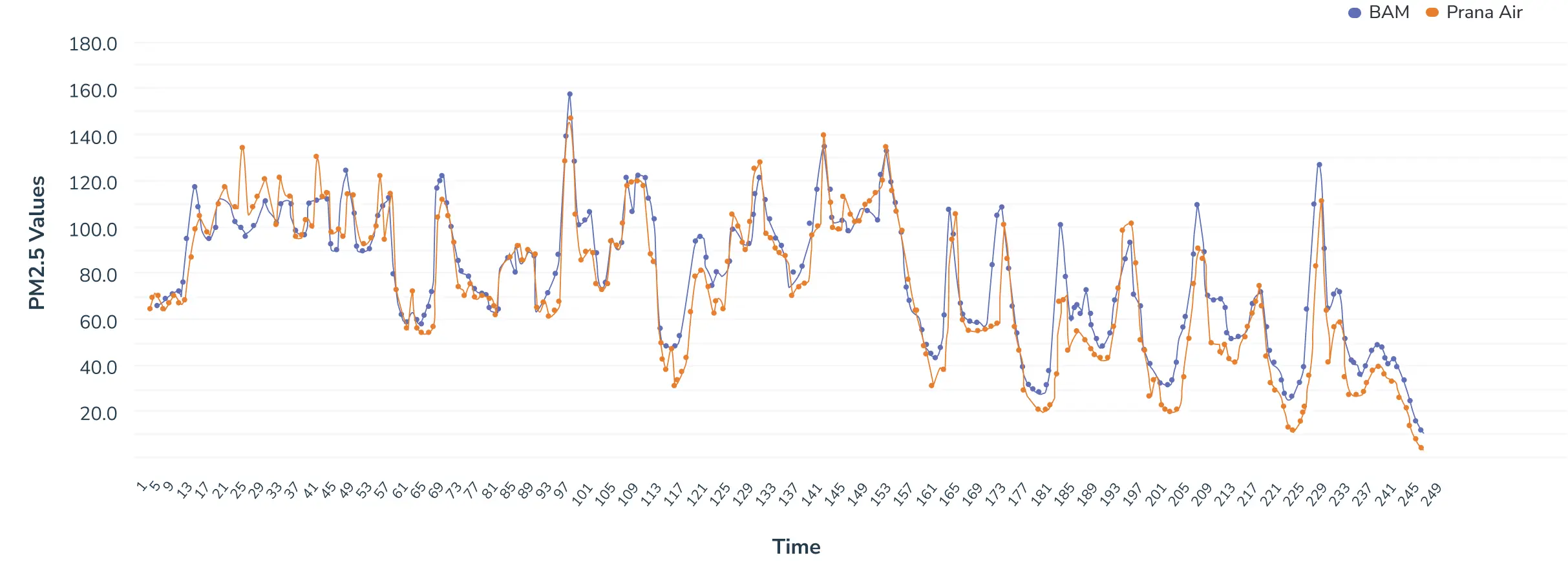
In a comprehensive validation study, Prana Air's PM sensor was benchmarked against the industry-standard Beta Attenuation Monitoring (BAM) system.
The results demonstrated a high correlation, confirming that our sensor achieves near reference-grade performance.
Trusted by Leading Global Organisations










Industrial & Commercial
Applications
Global Deployment in Construction Projects
Our sensors are currently deployed at thousands of construction sites globally. This real-time tracking of particulate matter helps site managers ensure environmental safety and compliance with urban air quality standards.
2000+
- Deployments

- Certified
Environmental Standards
Our Sensors Case Studies
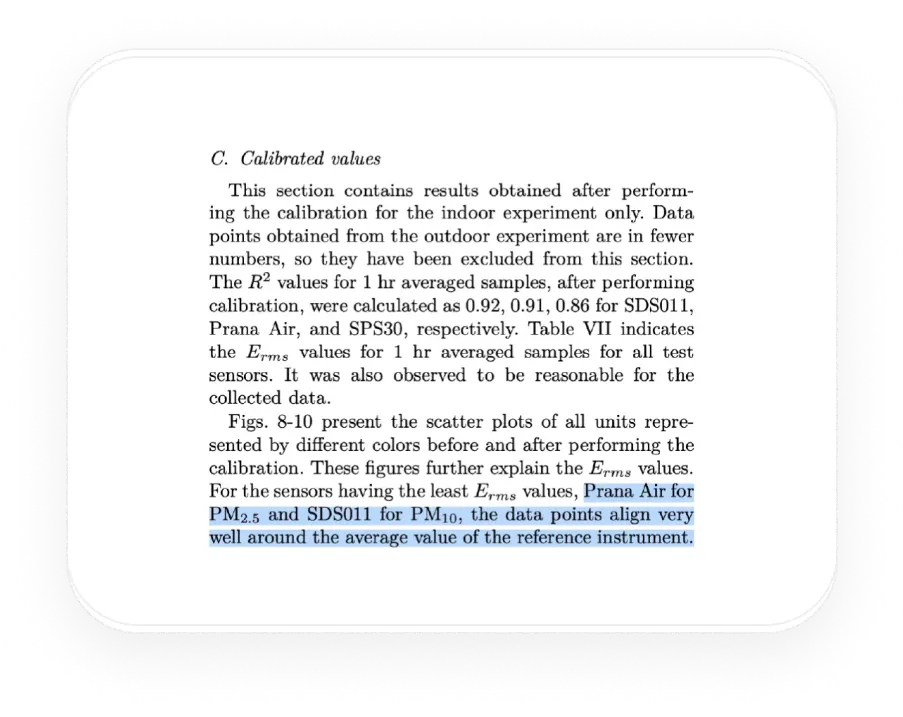
Case Study By IIIT Hyderabad
Comparative Evaluation of New Low-Cost Particulate Matter Sensors
Study Brief : So, the paper involves our Prana Air device alongside other low-cost sensors for PM2.5 and PM10 measurements. For the results, they compared them to the standard Aeroqual Series-500. Since, their challenge with traditional devices was the high cost, heaviness, and frequent service needs, which limited usin in cities.
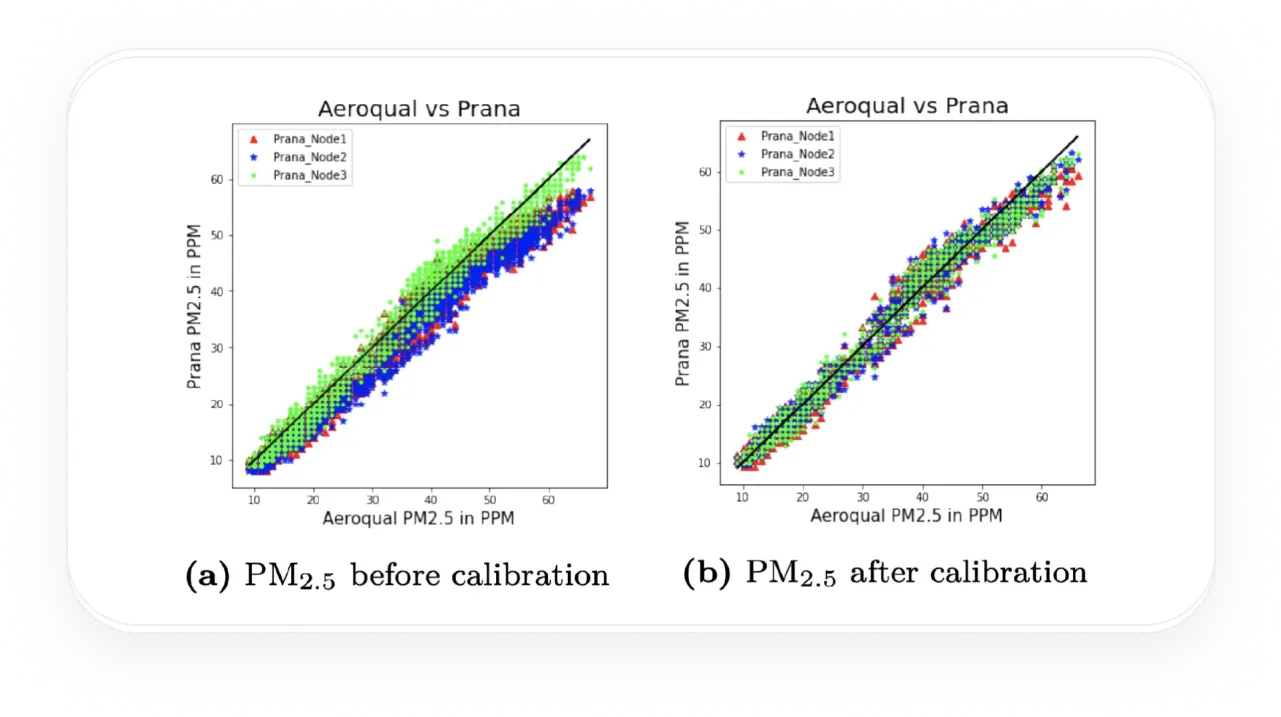
Note : Monitors update in every 30 seconds, moreover our PM sensors have a resolution of ±1.0 micrograms per cubic meter, and our NO2 sensors boast a resolution of ±1.0 ppb.
Find Full Study Here :https://ieeexplore.ieee.org/document/9590448
Case Study By NEERI (CSIR)
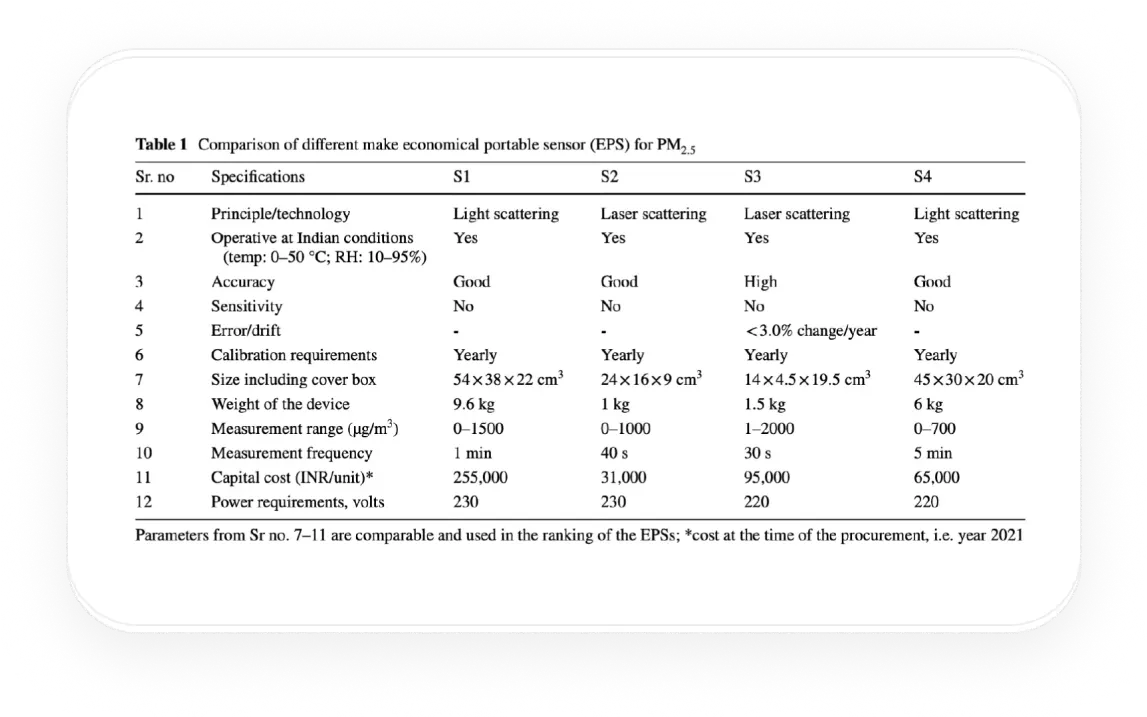
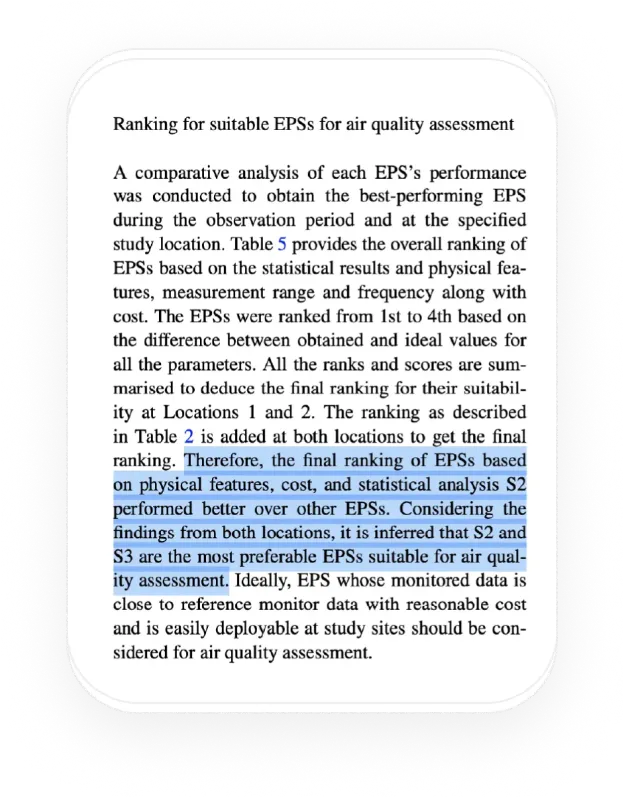
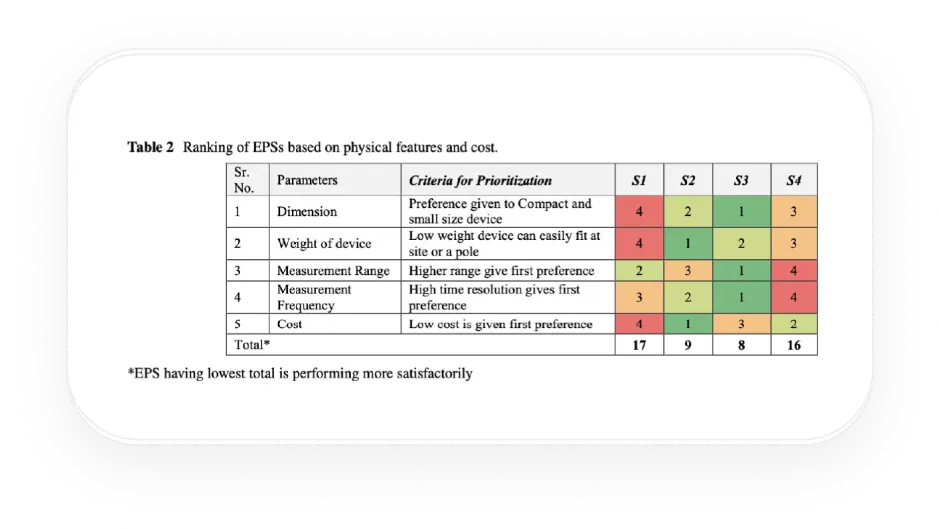
Performance‐based protocol for selection of Affordable and easy to carry sensor for air quality measurement
Study Brief : In their research, they used our device in their Environmental Protection Sensors (EPS) assessment. So in this, they compared factory calibration data with reference monitors. Because, their challenge was reasonable cost with accuracy, sensitivity, and data management. In the result, Prana Air proved to be a reliable and affordable choice.
Find Full Study Here :https://pubmed.ncbi.nlm.nih.gov/37318651/f
Health Impacts of Particulate Matter

Asthma and Triggers

Increased Cancer Risk

Respiratory Infections

Chronic Lung Diseases

Cardiovascular Impact
Technical Specifications
Model Name:
PAS-OUT-01
Rated Voltage:
5V
Communication Level:
3.3 V
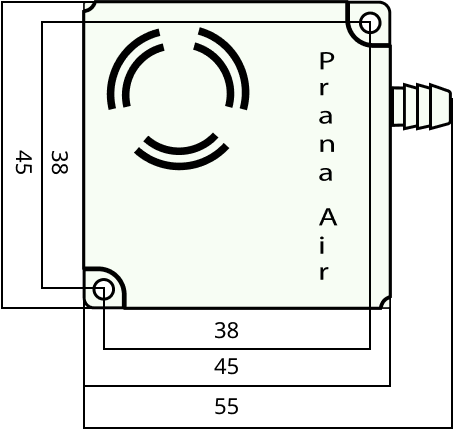
Dimensions (L x W x H):
4.5 x 4.5 x 2 cm
Particle Resolution:
0.3 µm
Storage Temp:
-20 to 85 °C
Operating Temp:
-20 to 70 °C
Operating Humidity:
0-99% RH (Non-condensing)
Rated Current:
70mA
Mass Resolution:
1 μg/m3
Outdoor Sensor Specifications
Indoor Sensor Specifications

Contact Our Team
Discuss your urban air quality monitoring requirements with our experts. We will get back to you shortly.



 Let’s Talk